
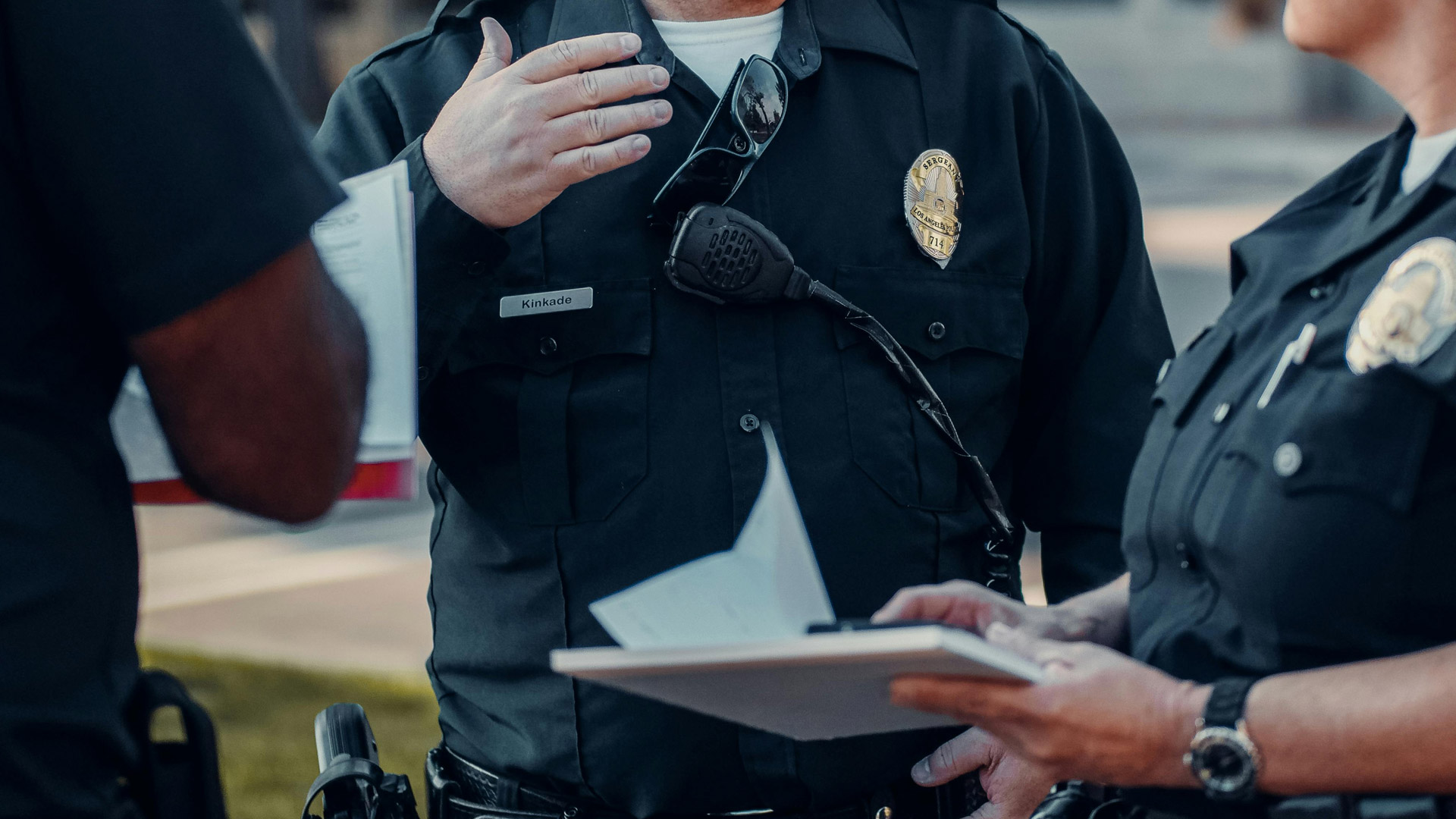
Never Answer Law Enforcement’s Questions if You Are the Target of an Investigation
When confronted by law enforcement, many individuals may feel compelled to cooperate and provide information. However, it is crucial for a criminal suspect to understand the potential risks associated with talking to the police. Engaging in conversation without legal counsel can lead to a multitude of negative consequences, including misinterpretation of statements, self-incrimination, and the undermining of legal rights. Below are several compelling reasons why a criminal suspect should refrain from speaking to the police without an attorney present.
1. Right to Remain Silent
The Fifth Amendment of the United States Constitution grants individuals the right to remain silent to avoid self-incrimination. This fundamental right is designed to protect individuals from coercive interrogation techniques that can lead to false confessions or statements taken out of context. When a suspect chooses to exercise this right, they effectively reduce the risk of unintentionally providing incriminating information.
2. Misinterpretation of Statements
When suspects speak to police, their statements can easily be misinterpreted. Law enforcement officers may not fully understand the context or nuances of a suspect’s words. A seemingly innocuous comment could be taken as a confession or an admission of guilt. Furthermore, the complexity of legal language and the subtleties of the situation can lead to misunderstandings that harm the suspect’s case.
3. The Power of Persuasion
Police officers are trained to elicit confessions and statements from suspects. They often employ psychological tactics designed to create a sense of urgency or to foster a feeling of trust. For example, an officer might downplay the seriousness of the situation to encourage a suspect to talk. Such tactics can lead suspects to believe that cooperating will help them, when in reality, it may do the opposite. A suspect might inadvertently provide information that could be used against them in court.
4. Lack of Knowledge about the Legal System
Most individuals are not well-versed in the complexities of criminal law and legal procedures. A suspect may not fully understand the implications of their statements or the potential consequences of their cooperation. Without a lawyer present, a suspect is at a distinct disadvantage, as they may not be aware of their rights or the legal ramifications of their words. Legal counsel can help navigate these complexities and ensure that the suspect’s rights are protected.
5. Innocence Does Not Guarantee Safety
Even innocent individuals can find themselves in precarious situations when speaking to law enforcement. A well-meaning statement can be misconstrued, leading to charges or a lengthy legal battle. The assumption that one’s innocence will shield them from consequences is a dangerous misconception. Without the protection of an attorney, even a truly innocent person could inadvertently provide evidence that helps the prosecution.
6. The Risk of False Confessions
Research has shown that false confessions can occur, particularly under duress or in high-pressure situations. Suspects may confess to crimes they did not commit due to fear, stress, or a desire to please the interrogator. The psychological toll of prolonged questioning can lead to a breakdown in judgment, making a suspect more likely to agree to a narrative that is not true. This phenomenon underscores the importance of having legal representation during police interactions.
7. Consequences of Cooperative Behavior
In many cases, suspects may believe that cooperating with law enforcement will lead to leniency or a better outcome. However, the reality is often quite different. Police reports and testimonies are frequently used to build a case against a suspect, and any perceived cooperation can be framed negatively. Prosecutors may argue that cooperation indicates guilt, thereby complicating the suspect’s defense strategy.
8. The Importance of Legal Representation
Having an attorney present during police questioning is critical. Legal professionals can provide guidance on how to respond, protect a suspect’s rights, and prevent self-incrimination. An attorney can also negotiate with law enforcement on behalf of the suspect, ensuring that their best interests are prioritized. This legal buffer is vital in safeguarding an individual’s rights throughout the investigative process.
9. Building a Defense Strategy
The goal of law enforcement is to gather evidence to support their case. By speaking without legal counsel, a suspect risks compromising their defense strategy. Any information disclosed to the police can be used against them later in court. An attorney can help formulate a strong defense by controlling the narrative and ensuring that the evidence presented aligns with the suspect’s best interests.
10. Potential for Future Implications
Even if a suspect believes they can navigate a police interview without repercussions, the long-term implications can be severe. Statements made during an interrogation can haunt individuals for years, potentially impacting future employment, personal relationships, and mental health. By refraining from speaking to the police, suspects can better protect their future.
Final Thoughts
While it may seem like a cooperative approach to engage with law enforcement, the risks associated with talking to the police without legal representation far outweigh any potential benefits. The possibility of misinterpretation, false confessions, and self-incrimination makes it imperative for suspects to exercise their right to remain silent. The complexities of the legal system and the tactics employed by law enforcement further underscore the need for legal counsel. Ultimately, protecting one’s rights and interests should be the priority in any interaction with law enforcement.
If you are the target of an investigation, Murder Defense Attorney Peter Sebastian can help get you through it with the least amount of exposure to arrest.
One Response